

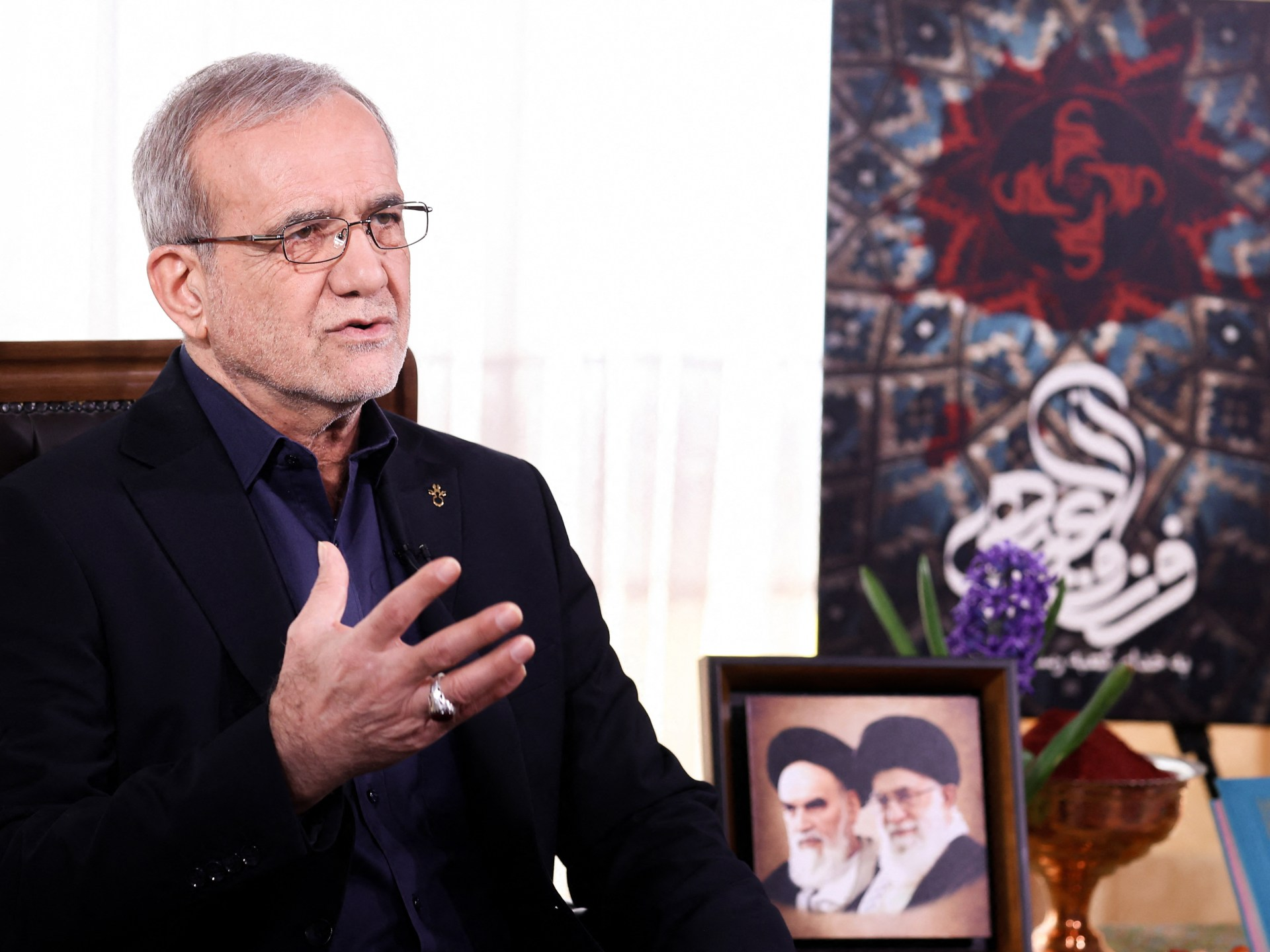
Israel-Iran War: Strategic Fallout and Regional Implications
The Israel-Iran War marks a pivotal moment in the ongoing Middle East conflict, redefining geopolitical dynamics and prompting serious reconsideration of Israel’s foreign policy. Initiated by Israel’s surprise attack targeting Iranian nuclear facilities, the ensuing chaos unleashed an unprecedented wave of military escalation that drew in U.S. forces, showcasing the intricate web of international relations in the region. This confrontation not only illustrates the fragility of Iran U.S. relations but also highlights the potential repercussions of the conflict, which reverberate across the globe. As Israel pursues its aim to neutralize Iran’s nuclear program, we must consider the broader implications and strategic fallout that could reshape alliances and power structures in the Middle East. Understanding these complexities is crucial for comprehending the war’s enduring impact on regional stability and global security.
Referred to as the Israel-Iran confrontation, this military engagement has cast a long shadow on regional geopolitics and international diplomacy. The clash between these two nations, fueled by Iran’s controversial nuclear ambitions and Israel’s defensive strategies, has ignited discussions about the implications for global alliances and military interventions. Beyond the battlefield, the consequences of this warfare are unfolding in the arenas of public opinion and foreign policy, prompting nations to reassess their positions in light of this tumultuous chapter in the Middle East. Moreover, the fallout from this conflict is likely to influence Iran’s relationships with other states and redefine its role within the broader geopolitical landscape. As observers around the world analyze the unfolding events, the complexities of this conflict demand a nuanced understanding of its historical roots and potential future ramifications.
The Broader Geopolitical Consequences of the Israel-Iran War
The Israel-Iran War has stirred significant geopolitical repercussions across the Middle East and beyond. As major players in the region reassess their positions, the balance of power may shift dramatically. The direct involvement of the United States in the conflict represents a pivotal moment, challenging previous perceptions of U.S. neutrality concerning Iranian aggression. With Washington directly engaged in airstrikes against Iranian nuclear sites, the conflict could ignite a broader confrontation involving multiple nations, thereby altering longstanding alliances and creating new regional dynamics.
Moreover, as Iran emerges from the war with greater national unity and a strengthened resolve regarding its nuclear program, the implications for Iran-U.S. relations are profound. Any attempts by the United States to negotiate a new deal with Iran could be significantly hampered, especially given the recent escalation of hostilities. The war reinforces Iran’s position as a central power in Middle Eastern politics, complicating the already volatile situation and prompting other nations to reevaluate their foreign policies in response to this emergent reality.
Impact on Iran’s Nuclear Program and Regional Policy
The outcome of the Israel-Iran War will inevitably influence Iran’s approach to its nuclear program. Following the hostilities, Tehran has maintained that its nuclear pursuits are not only legitimate but vital for national security. Should Iran decide to accelerate its nuclear activities or withdraw from international agreements such as the Nuclear Non-Proliferation Treaty, it may spark a renewed arms race in the Middle East. This development would be very concerning for Israel and its allies, as it undermines their strategic efforts to contain Iranian influence in the region.
In the wake of this war, Israel’s foreign policy may also undergo significant re-evaluation. The failure of Netanyahu’s strategy to incite U.S. military intervention without wider repercussions exposes the limits of Israeli military doctrine. Consequently, Israel might need to adopt a more nuanced approach toward security and diplomacy, particularly considering how unified Iranian forces responded during the conflict. This could involve increased efforts to engage regional partners and reassess military tactics in relation to Iran’s strengthened regional standing.
Shifts in Middle Eastern Alliances
The turbulent aftermath of the Israel-Iran conflict has ignited discussions about how Middle Eastern nations realign themselves in response to new geopolitical realities. Countries that previously maintained a cautious distance from Iran may find themselves drawn closer to Tehran as a reaction against perceived Israeli aggression. The support for Iran witnessed from various Arab nations during the conflict signals a potential paradigm shift not only in public sentiment but also in diplomatic relations within the region.
Furthermore, the conflict could lead to new coalitions forming, with countries assessing their interests and rethinking alliances. The potential for increased Iranian influence across Iraq, Syria, and Lebanon might compel Gulf States to forge more strategic partnerships either with Iran or with Israel, as they navigate this intricate political landscape. These transformations might bring about unprecedented changes to the Middle Eastern order, heralding a new era of cooperation or conflict in response to the challenges posed by the Israel-Iran War.
National Unity and Identity in Iran
The recent conflict has ignited a remarkable surge in national unity among the Iranian populace, something that may have lasting effects on the nation’s identity and political landscape. In the face of foreign aggression, ordinary Iranians rallied to defend their homeland, setting aside internal political differences. This phenomenon enhances the narrative of national pride and collective resistance against external foes, thereby consolidating the Iranian government’s legitimacy amidst the chaos.
Moreover, the solidarity witnessed among Iranians during this period suggests that the long-held view of a fragmented Iranian society may need reevaluation. The war has catalyzed a movement toward greater social cohesion, which could influence how policy is shaped moving forward. The Iranian leadership, acknowledging this wave of patriotic fervor, may utilize it to further consolidate power and justify military and political decisions, thereby strengthening their grip on the nation.”}]},{
Frequently Asked Questions
What are the geopolitical consequences of the Israel-Iran War?
The Israel-Iran War has significant geopolitical consequences, notably expanding U.S. military involvement in the Middle East conflict. The war has led to a reevaluation of Iran’s regional influence and boosted Iranian unity against external aggression, altering the strategic landscape of the region.
How might the Israel-Iran War affect Iran U.S. relations in the future?
The direct confrontation during the Israel-Iran War could deteriorate Iran U.S. relations further, as the conflict has demonstrated the willingness of both countries to engage militarily. This escalation could lead to a prolonged cycle of retaliation and destabilize diplomatic efforts.
What impact does the Israel-Iran War have on Israel’s foreign policy?
The Israel-Iran War compels a reassessment of Israel’s foreign policy, particularly in relying on U.S. support to counteract Iranian ambitions. Israel’s attempts to provoke U.S. intervention have succeeded, potentially altering its approach to future conflicts in the region.
What implications does the Israel-Iran War hold for the Middle East conflict?
The Israel-Iran War exacerbates existing tensions within the Middle East conflict, as it catalyzes alignments among regional powers. The newfound solidarity for Iran among Arab states could challenge Israel’s long-term security and strategy in the region.
How does the Israel-Iran War influence Iran’s nuclear program?
The Israel-Iran War places Iran’s nuclear program at a critical juncture. If Iran reinforces its commitment to its nuclear ambitions post-conflict, it undermines Israel’s perceived accomplishments and could drive further militarization in the region.
| Key Points | Details |
|---|---|
| Israel’s Surprise Offensive | Initiated on June 13, 2025, targeting Iranian nuclear and military sites. |
| Iran’s Retaliation | Iran fired ballistic missiles into Israel, causing significant destruction and casualties. |
| Direct US-Iran Confrontation | US military conducted strikes on Iranian nuclear sites on June 22, escalating tensions. |
| Israeli Objectives | Israel aimed to involve the US directly in its conflict with Iran. |
| Iran’s Strengthened Position | Iran demonstrated its military resilience and garnered support across the Arab world. |
| National Unity in Iran | The war fostered unity among Iranians, transcending political divides. |
| Nuclear Strategy | Iran’s future actions regarding its nuclear program could redefine the war’s outcome. |
| Geopolitical Theatrics | The conflict reflects a US and Israel partnership, with media narratives framing it as peace efforts. |
| Victory for the Iranian People | Iran’s leadership and populace emerged with a renewed sense of pride and determination. |
| Conclusion | |
Summary
The Israel-Iran War marked a significant turning point in regional dynamics, illustrating the complexities of modern warfare and geopolitical alliances. Israel’s initial objectives appeared to be met by drawing the U.S. into the conflict; however, the long-term strategic repercussions favored Iran, consolidating its regional power and unity amidst external threats. This confrontation not only reshaped perceptions of military might but also reignited a sense of national identity among the Iranian populace, showcasing their resilience in the face of adversity.
कृपया इसे कम से कम 1 व्यक्ति को साझा करें Please Share this with atleast 1 Person:

Discover more from CNE Khabar
Subscribe to get the latest posts sent to your email.