

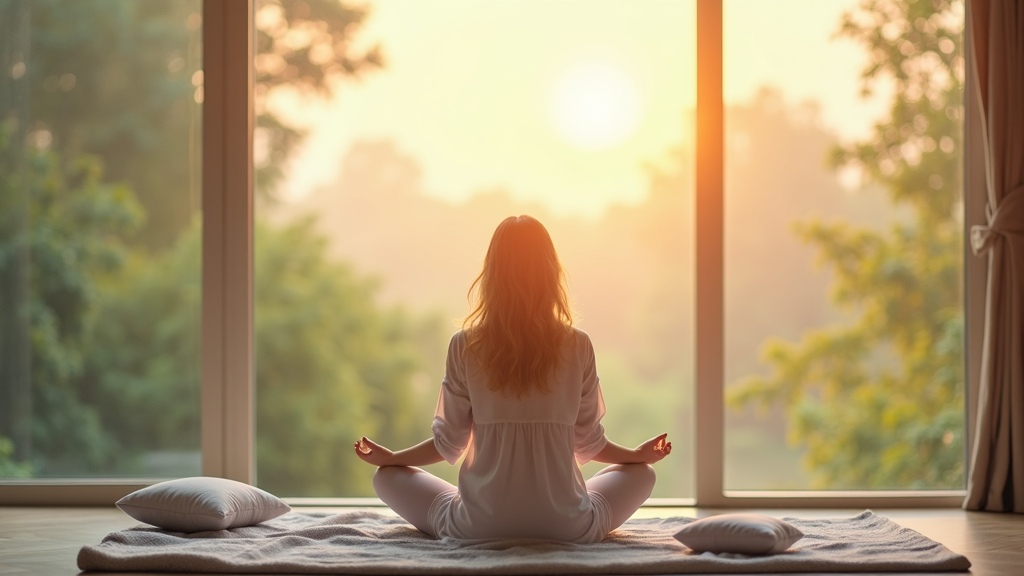
Benefits of Meditation: Transform Your Mind and Life
The benefits of meditation are profound and far-reaching, impacting both mental and physical well-being. As individuals seek effective meditation techniques, they often discover how this practice enhances mindfulness benefits that can reduce stress and anxiety. Learning how to meditate not only cultivates a deeper state of awareness but also empowers practitioners to integrate beneficial breathing exercises into their daily routines. From managing stress through focused attention to fostering emotional resilience, meditation serves as a vital tool in promoting overall health. Embracing meditation can transform your life, leading to a more centered and mindful existence.
Exploring the positive effects of mindful practices can lead to significant improvements in daily life. By incorporating various relaxation methods, individuals can tap into the calming power of inner stillness. Strategies like deep breathing and reflective thought can greatly enhance resilience amidst life’s challenges. Engaging in these introspective exercises not only elevates emotional stability but also nurtures a profound connection to oneself. This holistic approach to wellness paves the way for a more harmonious and fulfilling lifestyle.
Introduction to Meditation Techniques
Meditation techniques are a diverse range of practices aimed at fostering mental clarity and emotional stability. At its core, meditation involves focusing the mind and eliminating distractions. Popular techniques include mindfulness meditation, guided visualization, and transcendental meditation. Each method varies in approach and execution, but they all share the common goal of enhancing overall well-being.
Beginners often wonder how to meditate effectively, and the good news is that many resources are available to help. Whether you choose to join a local class, follow online tutorials, or use meditation apps, the key is to find a technique that resonates with you. Incorporating different meditation styles can deepen your understanding and appreciation of this ancient practice.
Understanding the Benefits of Meditation
The benefits of meditation extend beyond mere relaxation; they encompass a range of mental, emotional, and physical improvements. Studies have shown that regular meditation can lead to lower stress levels, improved focus, and enhanced emotional resilience. Practitioners often report feeling more present and connected to their thoughts and emotions, which can significantly enhance overall quality of life.
Moreover, meditation has been linked to various health benefits, including better sleep quality, reduced anxiety, and improved heart health. Engaging in regular practice can create a sense of inner peace and calm that positively impacts daily life interactions and responsibilities.
Mindfulness Benefits: Cultivating Awareness
Mindfulness benefits are a cornerstone of meditation practice, promoting a heightened awareness of the present moment. By focusing on the here and now, individuals can develop a deeper understanding of their thoughts and actions, which often leads to reduced incidences of stress and anxiety. This practice encourages a non-judgmental observation of one’s experiences, fostering a more compassionate approach to oneself and others.
Additionally, mindfulness can improve emotional regulation, allowing individuals to respond to life’s challenges with greater clarity and calmness. Engaging in mindfulness not only enhances mental health but can foster better relationships, as being fully present helps improve communication and empathy.
Breathing Exercises for Effective Meditation
Breathing exercises are essential in meditation as they form the foundation for many techniques. Learning how to breathe deeply and mindfully promotes relaxation and can significantly enhance the meditative experience. Techniques such as diaphragmatic breathing help ground the practitioner and create a more profound state of awareness, making it easier to focus on the meditation practice.
Incorporating breathing exercises into your meditation routine can also help manage stress and anxiety levels. When faced with overwhelming emotions, taking a moment to engage in controlled breathing can calm the mind and body, allowing for a more balanced and effective meditation session.
How to Meditate: A Beginner’s Guide
Learning how to meditate can initially seem daunting, but it is essential to approach it with patience and an open mind. Start by finding a quiet space where you can sit comfortably without interruptions. Begin with simple techniques such as focusing on your breath or gently observing your thoughts without attachment. The most important aspect is the commitment to practice regularly.
As you progress, you may discover other meditation styles that suit you, such as loving-kindness meditation or body scan meditation, which encourages profound relaxation and self-acceptance. Don’t be discouraged by any initial struggle to focus; meditation is a practice, and like any skill, it improves over time with dedication.
Meditation for Stress Relief
Meditation for stress relief has gained widespread popularity as more people look for effective ways to manage daily pressures. By setting aside even just a few minutes a day for meditation, individuals can create a buffer against stress, allowing them to navigate life with more ease and clarity. Mindfulness techniques, in particular, are effective in addressing anxiety and tension, enabling practitioners to respond thoughtfully rather than react impulsively.
Research indicates that those who engage in regular meditation display lower levels of cortisol, the hormone primarily responsible for stress responses. By incorporating meditation into your daily routine, you can foster resilience against stress and cultivate a more balanced emotional state.
The Role of Visualization in Meditation
Visualization is a powerful tool within meditation, allowing practitioners to tap into their creative potential and manifest positive outcomes. By picturing a desired state—be it peace, success, or happiness—individuals can program their minds to align with these aspirations. This technique often leads to deeper relaxation and more efficient meditation, as the mind has a clear focus to anchor itself.
Incorporating visualization into your meditation practice can significantly enhance motivation and goal-setting. Whether imagining yourself succeeding in a particular endeavor or picturing a calming landscape, this technique creates a strong mental image that influences behavior and mindset positively.
Exploring Different Meditation Traditions
Meditation encompasses various traditions, each with unique techniques and philosophies. From Buddhist mindfulness to Hindu mantra meditation, these diverse practices provide a wealth of tools for self-discovery and personal growth. Exploring different traditions can broaden your understanding and help you find the right approach that resonates with your beliefs and lifestyle.
Engaging with various meditation styles, such as Zen, Vipassana, or modern mindfulness techniques, allows practitioners to discover what works best for them. This exploration not only enhances the meditative experience but can also introduce new methods that deepen your practice and understanding.
Creating a Sustainable Meditation Practice
Establishing a sustainable meditation practice is essential for reaping the long-term benefits of meditation. Consistency plays a critical role in fostering deeper awareness and emotional stability. To make meditation a regular part of your life, consider setting aside a specific time each day and find a comfortable space that encourages relaxation and focus.
In addition to scheduling meditation sessions, setting realistic goals can help maintain motivation. Start small, perhaps with just five to ten minutes a day, and gradually increase the length of your sessions as you become more comfortable with the practice. Remember to be patient with yourself and celebrate the small victories along the way.
Frequently Asked Questions
What are the benefits of meditation techniques for stress relief?
Meditation techniques are highly effective for stress relief as they promote relaxation and enhance emotional resilience. By incorporating mindfulness practices, individuals can develop a greater awareness of their thoughts and feelings, allowing them to respond to stressors more calmly. Engaging in regular meditation can lower cortisol levels, which is a hormone associated with stress, thereby improving overall mental well-being.
How can mindfulness benefits improve overall health?
Mindfulness benefits extend beyond mental clarity; they also contribute to physical health improvements. Regular mindfulness meditation can lead to reduced anxiety, improved sleep quality, and lower blood pressure. By fostering a positive mental state, mindfulness enhances the body’s immune response, promoting better health and longevity.
What is the best way to learn how to meditate for beginners?
To learn how to meditate as a beginner, start with simple breathing exercises. Find a quiet space, sit comfortably, and focus on your breath. Inhale deeply through your nose, hold for a moment, and then exhale through your mouth. Gradually increase your meditation time as you become more comfortable with the practice. Attending guided sessions or using meditation apps can also aid in developing your skills.
What is meditation for stress, and how does it work?
Meditation for stress involves focusing the mind to achieve a state of calmness and relaxation. Techniques like guided imagery, progressive muscle relaxation, and mindfulness help reduce stress by shifting focus away from stressful thoughts. The practice activates the body’s relaxation response, leading to decreased anxiety and improved emotional stability.
How do breathing exercises enhance meditation benefits?
Breathing exercises enhance meditation benefits by helping individuals ground themselves and foster a deeper connection with their inner selves. These techniques improve oxygen flow to the brain, which enhances mental clarity and focus during meditation. Incorporating specific breathing patterns can also help in regulating emotions and reducing overall stress levels.
| Benefit | Description |
|---|---|
| Reduces Stress | Meditation helps calm the mind, reducing stress levels effectively. |
| Improves Focus | Regular meditation enhances your concentration and attention span. |
| Promotes Emotional Health | Meditation can improve overall emotional well-being, reducing symptoms of anxiety and depression. |
| Enhances Self-Awareness | Meditating increases your understanding of yourself and leads to personal growth. |
| Improves Sleep | Meditation can improve the quality of sleep by promoting relaxation. |
Summary
The benefits of meditation are extensive and transformative, influencing various aspects of mental and physical health. By incorporating meditation into your daily routine, you can experience reduced stress, improved focus, enhanced emotional health, greater self-awareness, and better sleep quality. Embracing this practice not only empowers your mind but also fosters a deeper connection with yourself, making it a valuable tool for navigating modern life.
Introducing Autowp, your ultimate AI content generator and AI content creator plugin for WordPress, designed to revolutionize the way you create and manage content on your website. Seamlessly generate engaging articles, blog posts, and web pages with the power of artificial intelligence, allowing you to save time and enhance your online presence. Discover the incredible features of Autowp by visiting Autowp.app and start transforming your content generation process today! To remove this promotional paragraph, upgrade to Autowp Premium membership.
कृपया इसे कम से कम 1 व्यक्ति को साझा करें Please Share this with atleast 1 Person:

Discover more from CNE Khabar
Subscribe to get the latest posts sent to your email.